BOOK AN APPOINTMENT

When to see a cardilogist
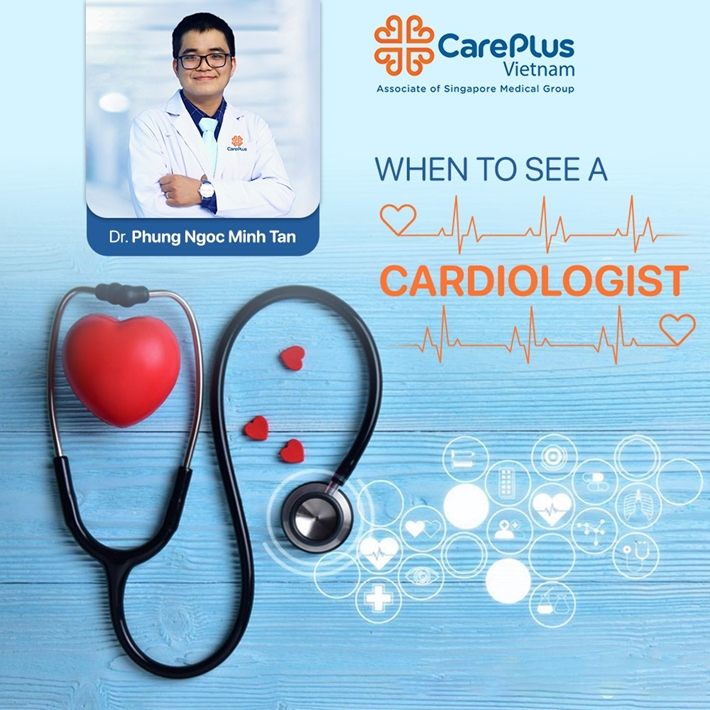
When to see a cardilogist

Many patients think that when they have a heart attack, have heart surgery, have a stent placed in their heart or have symptoms in the heart, they need to see a cardiologist. However, cardiovascular disease - despite being the leading cause of death, is often asymptomatic for a long time (also known as the silent killer). Therefore, cardiologists need to detect the germs that cause the disease early so that timely preventive treatment can be given to the patient.

It would be best if you had a cardiovascular examination when you fall into the following 4 groups of cases:

1. At the risk of cardiovascular disease 

- High blood pressure (>130/80 mmHg)

- High blood fat (Cholesterol)

- Diabetes

- Smoke

- In the family, there is a father/mother/siblings with cardiovascular disease, stroke, sudden death, or myocardial infarction.

- Overweight / Obesity

- Chronic kidney disease / Chronic kidney failure

- People who are sedentary do exercise and sports

- Older adults (men > 50 years old, women > 55 years old or post-menopausal)

- Cancer patients undergoing treatment, radiation therapy affects the heart

- Assess cardiovascular risk before sports activities, before surgery, before participating in training for some specific occupations

- Fetal echocardiography for pregnant women

2. People with symptoms of cardiovascular disease, for example:

- Chest pain

- Shortness of breath (especially when it is difficult to breathe when working, exercising, going upstairs, etc.)

The feeling of a fast/slow/irregular heartbeat (also described as palpitations)

- Fainting or lightheadedness, almost fainting

- Swollen feet

- Long-healing leg ulcers

3. Have been diagnosed with cardiovascular disease

- Coronary artery disease (also known as coronary insufficiency, ischemic heart disease, coronary stenosis, myocardial infarction).

- Heart valve diseases (stenosis, regurgitation, prolapse)

- Congenital heart disease

- Cardiac arrhythmia

- Cardiomyopathy

- Preeclampsia, eclampsia in pregnant women

4. The patient has undergone cardiovascular surgery/intervention, for example:

- Heart valve surgery (valve replacement, valve repair)

- Coronary bypass

- Congenital heart surgery

- Seal the holes in the heart with tools

It should be noted that the treatment of cardiovascular disease is not only about drugs or surgery; patients need to be consulted, monitored, and treated appropriately for each stage.


Sign up for Cardiovascular Disease Screening for timely diagnosis and treatment!

👉 Stroke screening package https://bit.ly/3GalkN4

👉 Cardiovascular disease screening package https://bit.ly/3HA2r6L


Related posts

Bệnh Tim Mạch - Tăng Huyết Áp & Những điều cần biết
Tăng Huyết Áp - Căn bệnh được mệnh danh là kẻ giết người thầm lặng SỐ 1. Dù bạn có đang bị tăng huyết áp hay không, hãy dành ít phút cập nhật kiến thức về căn bệnh này ngay để bảo vệ sức khỏe cho chính mình và những người thân yêu, bằng cách lắng nghe những chia sẻ của Bs. Trần Lê Vũ để hiểu rõ hơn về nguyên nhân, cách điều trị và phòng ngừa bệnh.

7 Common cardiovascular diseases and typical symptoms
Coronary artery disease, myocardial anemia, aortic aneurysm, heart failure ... are common cardiovascular diseases, dangerous to health if not promptly treated.

Should cardiovascular diseases patients get the Covid-19 vaccine?
Dr Phung Ngoc Minh Tan advice for cardiovascular patients before vaccination.

By MS. Dr. Phung Ngoc Minh Tan

Recent posts

DIFFERENTIATING GOUT ARTHRITIS FROM RHEUMATOID ARTHRITIS
Learn how to tell the difference between gout and rheumatoid arthritis with CarePlus specialists - so you can recognize the signs early, get an accurate diagnosis, and receive the right treatment to protect your joint and musculoskeletal health.

By MSc, MD, Level I Specialist NGUYEN VAN HOANG TAM

BRIGHTEN YOUR SMILE – ENHANCE YOUR CONFIDENCE WITH THE POLA OFFICE PLUS TEETH WHITENING PACKAGE AT CAREPLUS
Pola Office Plus teeth whitening at CarePlus delivers fast, safe, and effective whitening results while minimizing tooth sensitivity, helping you achieve a brighter, more confident smile.

By Specialist Level 1 Doctor BUI XUAN DAT

DIGESTIVE & HEPATOBILIARY HEALTHCARE: PROACTIVELY PROTECTING THE WORKFORCE AGAINST SILENT DISEASES
Digestive and hepatobiliary diseases often develop silently, yet they can significantly impact employees’ health and business performance. Join CarePlus in exploring proactive healthcare solutions that help identify risks early, protect your workforce, and optimize healthcare costs in the article below.

By MD. Second Degree specialist Dinh Thi Ngoc Minh

Related Products

Screening For Risk Of Stroke - Standard
Stroke is a dangerous disease that occurs suddenly with a high mortality rate if it's not detected early and treated promptly. Worryingly, stroke shows signs of getting younger, increasing sharply at the ages of 40-45 years old or even at 20 years old. ₫5,500,000 ₫4,400,000

Cardiology healthcare teleconsultation
Cardiology: coronary heart disease, heart failure, patients who have a stent placed,... ₫375,000

{{currentDoctor.Name}}
*{{ errors.first('form-1.Register name') }}
*{{ errors.first('form-1.Phone') }}
*{{ errors.first('form-1.Email') }}
Patient info:
*{{ errors.first('form-1.Patient name') }}