BOOK AN APPOINTMENT

Screening for atherosclerosis to prevent risk of stroke and heart attack

Stroke (also known as a cerebrovascular accident) is the leading cause of serious disability and the second leading cause of death globally. However, not everyone is at risk for stroke. The causes of stroke can be divided into two groups: the atherosclerotic group causing cerebrovascular occlusion and the cerebral hemorrhage group. While the group of cerebral hemorrhage only accounts for about 15% and is mainly due to congenital cerebrovascular malformations, most patients with atherosclerosis are 85%. Atherosclerosis occurs in any organ (heart, brain, kidney, extremities), that organ will be deprived of blood supply.
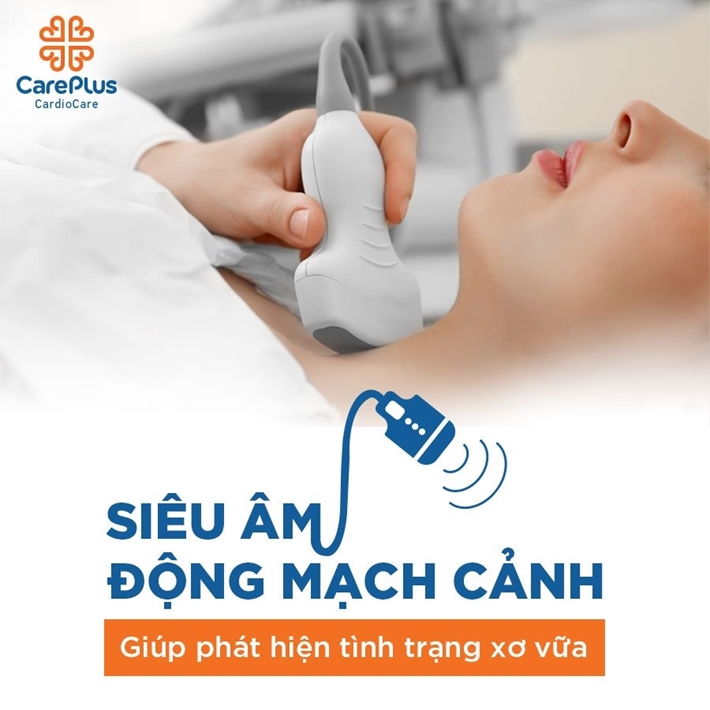
Screening for atherosclerosis to prevent risk of stroke and heart attack


If atherosclerosis occurs, causing narrowing of the arteries that supply blood to the brain, at some point, the atherosclerotic plaque is sloughed off and completely blocked. An area of ​​the brain suddenly has no blood supply will die. That is a stroke. Also, if plaque peeling occurs in the blood vessels supplying the heart, it is a complication of myocardial infarction. The heart suddenly has no blood supply, leading to cardiac arrest, also known as sudden death.

Atherosclerosis often develops long before the stroke - sudden death, so early detection of atherosclerosis, timely adjustment of risk factors such as hypertension, smoking, diabetes is the most effective stroke - sudden death screening.

Atherosclerosis affects the entire vascular system of the body. When atherosclerosis is detected in one site, it is possible to suspect that other areas may also have atherosclerosis. The heart and brain blood vessels are located deep and difficult to survey by conventional means. Atherosclerosis in the limbs often has symptoms such as numbness and pain. In contrast, most carotid atherosclerosis (the blood vessels in the neck that supply blood to the brain) often have no symptoms. An estimated 10-20% of stroke patients are associated with carotid stenosis.

Related posts

Heart attack and 9 things you need to know
According to the World Health Organization (WHO), cardiovascular diseases (CVDs) claim the lives of 17.9 million people each year (31% of all global deaths). In particular, myocardial infarction is one of the heart diseases that account for the highest mortality rate. Learning about myocardial infarction will help you better understand this disease, from having a better way to prevent this dangerous disease.

Heart failure: identify early signs, risk prevention
Heart failure causes many dangerous acute complications, difficult to cure, but the patient still has a chance to slow the progression of the disease if treated early.

Recent posts

DENTAL IMPLANTS FOR TOOTH LOSS RESTORATION - ENJOY LIFE TO THE FULLEST
Dental implant placement is a safe and long-lasting solution for replacing missing teeth - restoring both natural aesthetics and full chewing function. Discover everything you need to know with CarePlus doctors in the article below.

By SPECIALIST LEVEL 1 DOCTOR NGUYEN DUY BANG

OBSTETRICS AND GYNECOLOGY SCREENING AND HEALTHCARE FOR FEMALE EMPLOYEES: A TAILORED SOLUTION FOR ENTERPRISES (PART 2)
Gynecological and obstetric health directly impacts female employees' work performance. CarePlus shares in-depth knowledge and recommends comprehensive screening and gynecological care solutions, helping businesses effectively protect their female workforce and build a sustainable employee health management strategy.

4 GOLDEN PRINCIPLES FOR SCIENTIFIC WEIGHT LOSS
Improper weight loss methods can lead to weight fluctuations, fatigue, and unsustainable results. Discover 4 golden principles to help you manage your weight scientifically, safely, and in a way that suits your body, shared by CarePlus doctor in the article below.

By Specialist Doctor. NGUYEN PHUONG ANH

Related Products

{{currentDoctor.Name}}
*{{ errors.first('form-1.Register name') }}
*{{ errors.first('form-1.Phone') }}
*{{ errors.first('form-1.Email') }}
Patient info:
*{{ errors.first('form-1.Patient name') }}