PREVENTING COMMON TRIGGERS OF ALLERGIC RHINITIS
5/22/2026 4:24:38 PM
🔔 In recent days, changing weather conditions and increasing air pollution in densely populated areas have led to a rise in ear, nose, and throat conditions — especially allergic rhinitis — significantly affecting quality of life.
👉 Let’s explore the following information shared by Dr. Lam Thanh Hao, Specialist Level I in ENT at the CarePlus International Clinic System to better understand allergic rhinitis and how to prevent it.
People with allergic rhinitis may experience symptoms such as nasal itching, runny nose, and especially frequent sneezing. In addition, they may often feel tired, develop headaches, snore due to nasal congestion, or experience sleep disturbances caused by blocked nasal passages — all of which can greatly affect daily activities, studying, and work performance.
👉 More importantly, prolonged allergic rhinitis that is not properly managed may increase the risk of complications such as sinusitis, middle ear infections (especially in children), and nasal polyps. So, how can we minimize the discomfort caused by allergic rhinitis?
✅ First, patients should identify what triggers their allergic rhinitis. The best way to manage allergic rhinitis is to accurately determine the allergens causing the body’s uncomfortable reactions.
🔻 Causes of Allergic Rhinitis
Allergic rhinitis is not contagious. It occurs due to the body’s allergic response when exposed to indoor or outdoor allergens, especially during seasonal transitions when the weather changes suddenly from hot to cold.
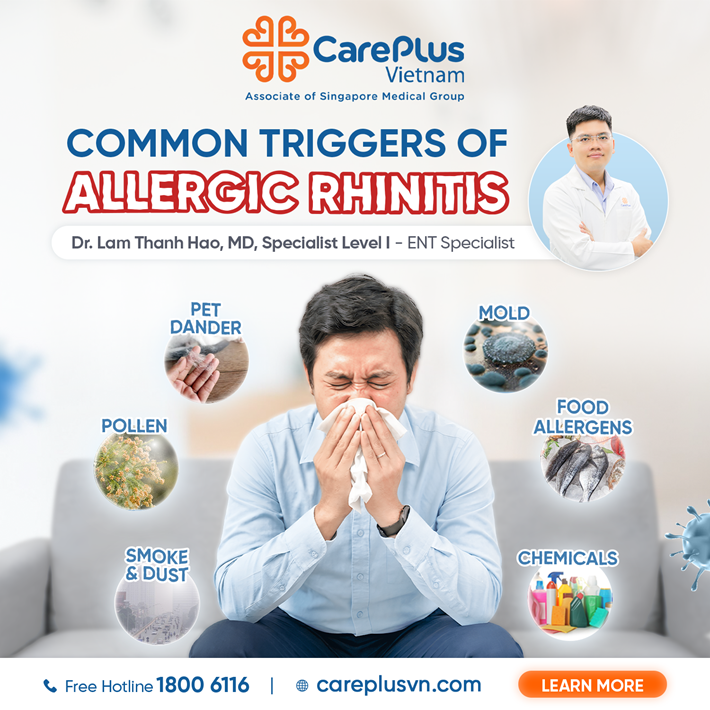
Common triggers include:
▪ House dust
▪ Pet fur and dander (cats, dogs, etc.)
▪ Mold caused by humid weather
▪ Pollen
▪ Food and chemicals
▪ Smoke from incense, charcoal, or cigarettes
🔻 Distinguishing Allergic Rhinitis from the Common Cold
Patients with allergic rhinitis often experience the following symptoms:
🔹 Symptoms appear or worsen after exposure to triggers such as weather changes (rain, cold winds, humidity), traveling to places with different climates, entering air-conditioned rooms, visiting construction sites, or inhaling dust, cigarette smoke, pollen, or strong fragrances.
🔹 Repeated sneezing fits and a clear, watery nasal discharge. Sneezing and runny nose are usually more noticeable in the early morning after waking up.
🔹 Nasal congestion and itching of the nose, eyes, throat, or ears. In severe cases, patients may also experience burning eyes, redness, and excessive tearing.
✅ Prevention and Treatment of Allergic Rhinitis
Treatment of allergic rhinitis is based on three main principles:
1️⃣ Proactive prevention to reduce exposure to allergens
🔸 Wear a mask when cleaning the house or going outside
🔸 Avoid keeping cats or dogs indoors if you are prone to allergies, or minimize contact with pets
🔸 Regularly change bed sheets, pillows, mattresses, and fabric covers; keep living spaces clean and dry to prevent mold growth
🔸 Avoid smoking and environments with cigarette smoke or incense smoke
🔸 Avoid foods that have previously caused allergic reactions
🔸 During seasonal transitions, sudden weather changes can weaken the body. People with allergies should keep warm by dressing appropriately, wearing scarves, maintaining proper nutrition, and avoiding late-night hair washing or bathing
🔸 Maintain good oral hygiene
2️⃣ Use medications as prescribed by a doctor
🔸 Clean the nose using a saline spray or nasal rinse device as instructed
🔸 Antihistamines
🔸 Intranasal corticosteroid sprays
3️⃣ Immunotherapy
This may be recommended for patients who do not respond well to preventive measures and medications.
If left untreated, prolonged allergic rhinitis may lead to complications such as secondary sinus infections, chronic rhinosinusitis, nasal polyps, middle ear infections, and severe asthma.
👉 Therefore, proactively protecting yourself from allergens and seeking timely medical consultation are the best ways to stay healthy during seasonal changes.