HOW SHOULD PEOPLE WITH CHRONIC CONDITIONS EAT DURING TET TO MAINTAIN GOOD HEALTH?
How should people living with chronic conditions such as diabetes, hypertension, or cardiovascular disease eat during Tet without compromising their health? This article shares evidence-based nutritional advice from CarePlus doctors, helping you enjoy a complete Tet celebration while keeping key health indicators well under control.
2/11/2026 8:44:05 AM
🌸 Tet is a time everyone looks forward to-family reunions, abundant feasts, and a more relaxed daily routine. However, for people living with chronic conditions such as diabetes, hypertension, cardiovascular disease, dyslipidemia, or for families with loved ones affected by these conditions, Tet often comes with a quiet concern: just a few days of “letting loose” can quickly cause health indicators to deteriorate.
🔔 At CarePlus, we see many patients seeking medical care after the Tet holiday due to disruptions in eating habits and daily routines. The good news is that with the right understanding and appropriate adjustments, people with chronic conditions can absolutely enjoy a fulfilling Tet while still maintaining stable health.
Let’s explore evidence-based nutritional advice from MSc., MD. Nguyen Phuong Anh – Nutrition Specialist at CarePlus, to help you take care of your health during Tet in the article below.
1/ Tet eating and lifestyle habits that may worsen chronic conditions
Tet is the largest holiday of the year, during which daily eating and living patterns often change significantly-posing notable health risks, especially for people with chronic diseases. Key risk factors include:
🔺 Diets high in fat, sugar, and salt: Traditional Tet foods such as banh chung, braised pork with eggs, candied fruits, and dried foods are typically foods that people with chronic conditions should limit. Yet during Tet, they are often consumed in larger quantities, increasing the risk of hyperglycemia, hypertension, dyslipidemia, and acute disease flare-ups.
🔺 Increased alcohol consumption: Drinking alcohol during Tet is usually more frequent and sometimes not accompanied by adequate meals, which can negatively affect blood glucose levels, blood pressure, and liver function.
🔺 Disrupted daily routines: Irregular meal times, overeating or undereating, staying up late, and reduced or discontinued physical activity during Tet can make disease control more challenging.
2/ How should people with chronic conditions eat and stay active to maintain good health during Tet?
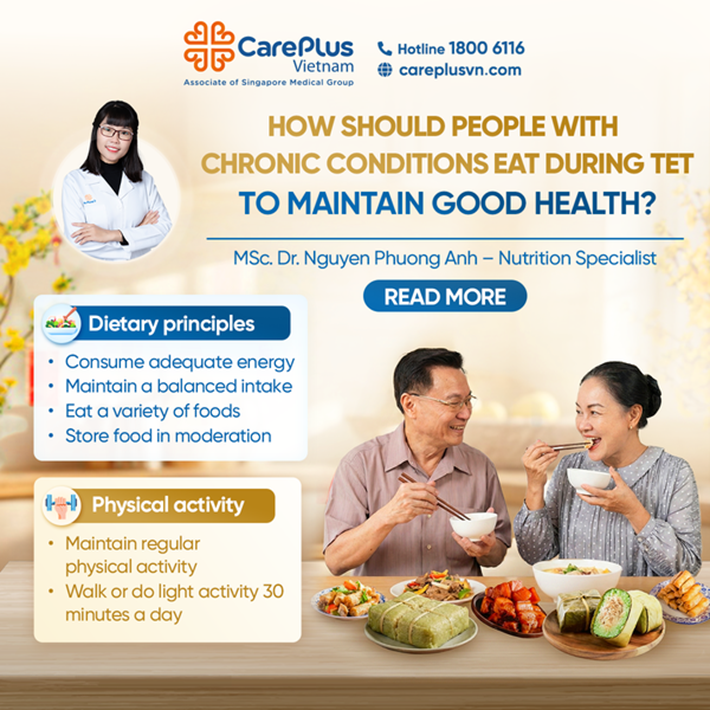
🔷 Dietary principles during Tet
🔹 Consume adequate-but not excessive-energy: Tet dishes such as banh chung and fatty meats are energy-dense. People with chronic conditions should consume them in moderation to enjoy the festive atmosphere while avoiding post-Tet weight gain, which can complicate disease control and future weight management.
🔹 Maintain a balanced intake of food groups: Each meal should include carbohydrates, protein, fats, along with vitamins and minerals. For example, banh chung provides carbohydrates, while meat supplies protein and fat-so adding vegetables and fruits helps create a more balanced meal.
🔹 Eat a variety of foods and avoid repeating the same dishes for many days: Although Tet meals are diverse, leftovers are often eaten repeatedly over several days. It is advisable to prepare enough food for the first 2–3 days of Tet, then gradually switch to fresh foods once markets reopen.
🔹 Purchase and store food in moderation: Avoid buying excessive amounts to prevent overeating and reduce food safety risks associated with prolonged storage.
🔶 Physical activity during Tet
🔸 Try to maintain a level of physical activity similar to your regular routine.
🔸 If regular exercise is not possible, aim for at least 30 minutes a day of light activities such as walking or staying active through daily movements to help keep the body flexible and health stable.
If you or your loved ones are living with chronic conditions and need medical consultation, assessment, or personalized advice on nutrition and physical activity to improve health, visit CarePlus to be examined by our experienced and dedicated Nutrition Doctors.
✅ In addition, to help patients accurately understand their nutritional health status and improve overall well-being, CarePlus doctors have designed a comprehensive Nutrition Consultation, including:
✔️ Anthropometric assessment, dietary evaluation, and clinical examination
✔️ Body composition analysis using advanced InBody technology
✔️ Necessary laboratory tests and diagnostic imaging
✔️ Personalized nutrition and physical activity counseling tailored to individual body condition and health goals
📩 Inbox our fanpage or call the free hotline 1800 6116 to book your appointment today.
CAREPLUS INTERNATIONAL CLINICS
Associate of Singapore Medical Group
Hotline: 1800 6116
Email: info@careplusvn.com
Fanpage: CarePlus Clinic Vietnam