PREVENT RESPIRATORY ILLNESSES IN CHILDREN DURING TET
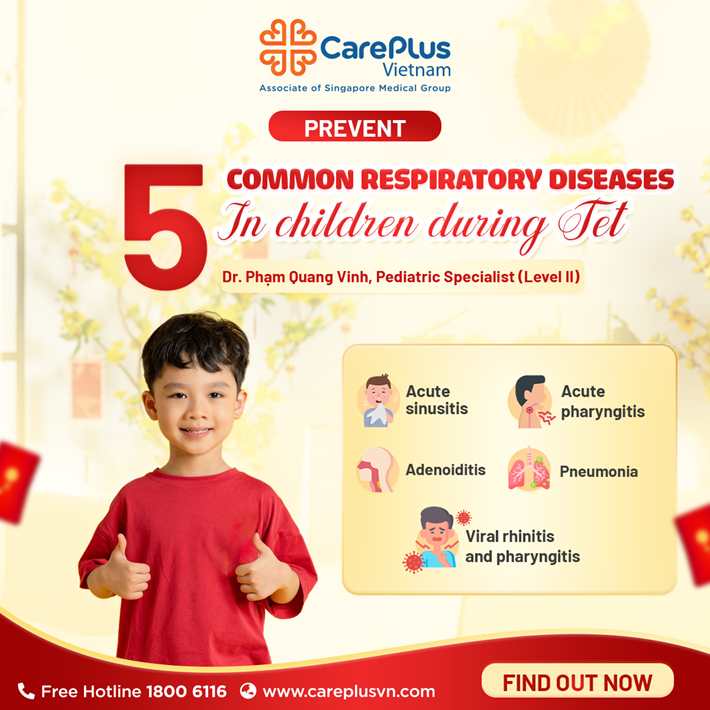
Below are common respiratory illnesses in children during Tet. Depending on the location, cause, age, and condition of the child, these illnesses may manifest as acute respiratory tract infections.
1/20/2025 3:38:59 PM
Tet is a time for family reunions and celebrations, but the cool and humid climate creates ideal conditions for respiratory bacteria and viruses to thrive. Children under 2 years old and school-aged children, with their underdeveloped immune systems, are especially vulnerable to these infections.
Below are common respiratory illnesses in children during Tet. Depending on the location, cause, age, and condition of the child, these illnesses may manifest as acute respiratory tract infections.
1. VIRAL RHINITIS AND PHARYNGITIS
These are highly common illnesses among children, mainly caused by viruses such as influenza, respiratory syncytial virus (RSV), rhinovirus, and adenovirus. They often occur when the weather changes rapidly or during seasonal transitions.
Symptoms begin 2-3 days after exposure, with fever, headache, fatigue, sneezing, and a runny nose. After 4-5 days, symptoms become more severe, including dry or phlegmy cough, nasal congestion, wheezing, and hoarseness. Some children may also experience abdominal pain, vomiting, or diarrhea.
2. ACUTE SINUSITIS
This condition can affect individuals of all ages and often follows an acute upper respiratory infection. The primary causes include viruses, bacteria, fungi, allergens, smoke, and chemical irritants.
During Tet, with the changing weather and low humidity, triggers such as mold, pollen, viruses, and bacteria increase, disrupting the natural moisture balance in the sinuses.
Acute sinusitis typically worsens after 5-7 days of an initial respiratory infection, presenting with high fever, bad breath, night-time coughing, thick green or yellow nasal discharge, headaches, and facial pain or pressure.
3. ACUTE PHARYNGITIS
This illness is primarily caused by viruses and bacteria, and occasionally by fungi. Risk factors include sudden weather changes, exposure to polluted environments, and poor hygiene in public spaces, schools, or playgrounds.
During humid, rainy conditions, children’s immune systems may weaken, making it easier for pathogens to invade and cause acute pharyngitis.
4. ADENOIDITIS
Adenoiditis is commonly seen in children aged 6 months to 6 years. Frequent exposure to bacteria and viruses causes the adenoids to become inflamed and enlarged over time, potentially developing into chronic conditions.
Tet-related changes in routines, imbalanced nutrition, and dehydration may further weaken immunity, allowing infections to target the upper respiratory system, including the adenoids. Symptoms include fever (often 38.5–40°C), nasal congestion, mouth breathing, snoring, and muffled speech. Long-term adenoid inflammation may cause continuous yellow or green nasal discharge.
5. PNEUMONIA
Pneumonia is a common and serious condition in young children, often requiring hospitalization. It occurs year-round but is more prevalent in early spring.
Causes include viruses, bacteria, fungi, and parasites, with common pathogens being Streptococcus pneumoniae, Haemophilus influenzae type B, and RSV. Symptoms can include fever, cough, nasal congestion, and severe cases may lead to shortness of breath, sweating, fatigue, or feeding difficulties in infants.
6. PREVENTING RESPIRATORY ILLNESSES IN CHILDREN
Ensure children wear masks outdoors to avoid exposure to dust and pollution. Always wash hands before eating and after using the restroom.
Encourage children to drink plenty of boiled, cooled water, especially during Tet when they might forget to stay hydrated while playing.
Maintain a consistent routine and limit fast food or preserved foods.
Provide supervision to younger children, ensuring proper hygiene practices like brushing teeth and rinsing their mouths after meals.
Treat underlying conditions such as dental or sinus infections promptly to avoid further complications. Follow prescribed treatments strictly, completing the full antibiotic course as directed by a doctor.
Keep the bedroom clean, airy, and well-maintained. Ensure regular bathing while minimizing exposure to cold environments during winter.
Stay up-to-date with vaccines such as seasonal influenza and pneumococcal vaccines at reliable healthcare facilities.
By taking these proactive measures, parents can ensure a healthier and safer Tet holiday for their children.