[Infographic] Hepatitis
![[Infographic] Hepatitis](https://careplusvn.com/Uploads/t/10/10-infographic-nhung-dieu-can-biet-ve-benh-viem-gan-6502_0000670_710.jpeg)
1/17/2018 9:30:09 AM
Your liver performs more than 500 functions every day. When the liver is inflamed, it cannot filter toxins and detoxify your body, resulting in serious complications. Periodic liver screening, healthy lifestyle along with an understanding of your liver condition will help you to prevent liver diseases as well as protect yourself and your family.
TYPES OF HEPATITIS & TRANSMISSION
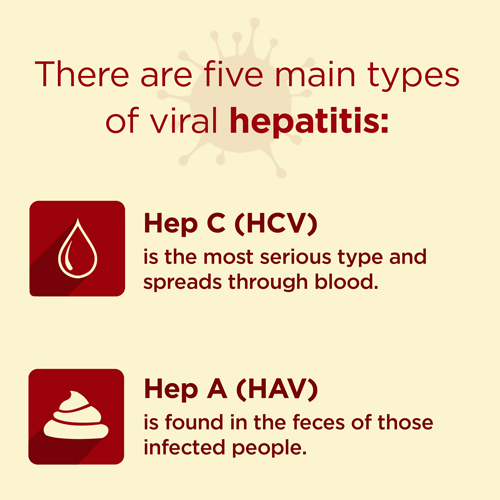
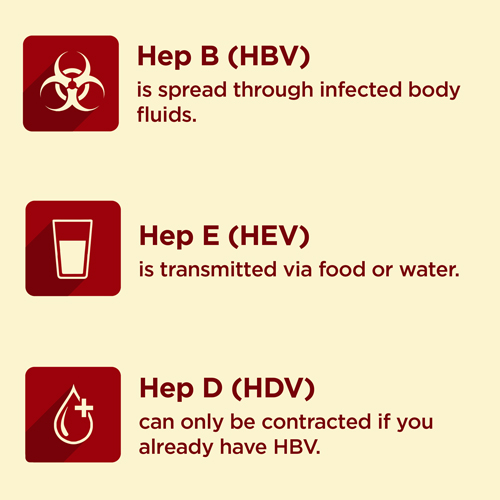
There are five main types of hepatitis virus: A, B, C, D, and E. They all attack the liver, but there are distinct differences.
Hepatitis C (HCV)
HCV, one of the more serious types of hepatitis, spreads through exposure to infected blood. Sharing needles can spread HCV.
You can also get it from contaminated medical products during transfusions or other medical procedures.
Rarely, it can be sexually transmitted. HCV can be short-term (acute) or long-term (chronic). There is currently no vaccine to prevent HCV.
Hepatitis A (HAV)
HAV can be found in the feces of those who are infected. It usually spreads in contaminated food or water. It may also be transmitted through sexual contact. It’s fairly common in areas of the world that have poor sanitation.
Most of the time, illness caused by HAV is mild, but it can become life threatening. It’s an acute infection that doesn’t become chronic.
There are often no symptoms of HAV, so the number of cases may be underreported. Vaccination can prevent HAV.
Hepatitis B (HBV)
HBV is spread through infected body fluids, including blood and semen. It can be passed from mother to baby during birth. Shared needles and contaminated medical supplies can also transmit HBV.
There is a vaccine to prevent it.
Hepatitis D (HDV)
You can only get HDV if you’re already infected with HBV. The HBV vaccine protects you from HDV infection.
Hepatitis E (HEV)
HEV is transmitted via contaminated food or water. It’s quite common in the developing world where sanitization is a problem. There is a vaccine to prevent HEV, but according to the World Health Organization (WHO), it’s not yet widely available.
LONG-TERM EFFECTS
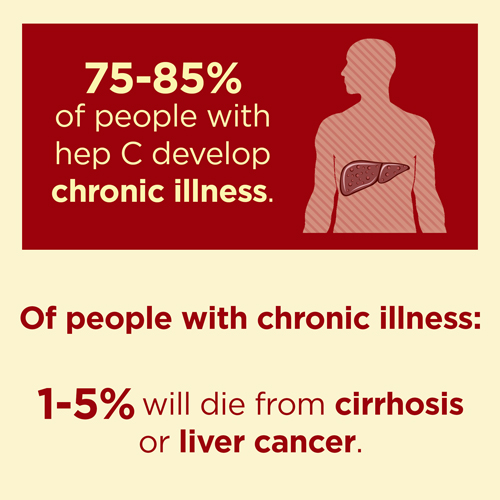
Among those infected with HCV, 75 to 85 percent will go on to develop chronic illness. According to CDC figures, of those:
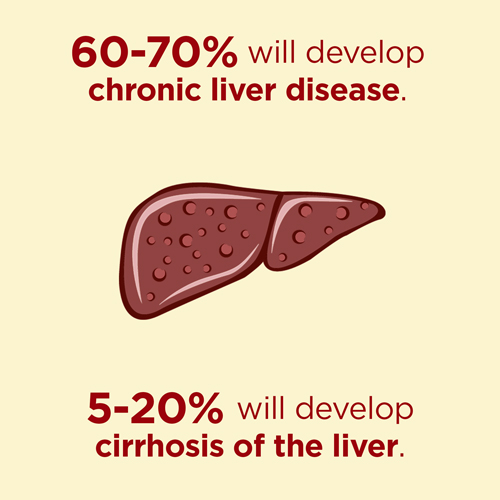
- 60–70 percent will develop chronic liver disease
- 5–20 percent will develop cirrhosis of the liver in 20–30 years
- 1–5 percent will die from cirrhosis or liver cancer
SYMPTOMS
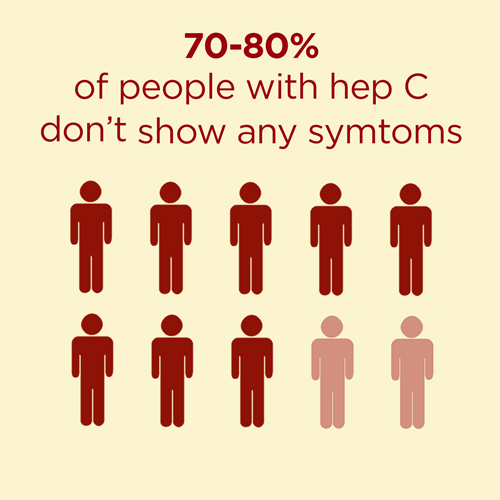
It’s possible to have HCV and not know it. According to the CDC, 70 to 80 percent of people with acute HCV don’t show symptoms. You can be infected for years before the first symptoms appear, or you can begin to show symptoms between one and three months after infection.
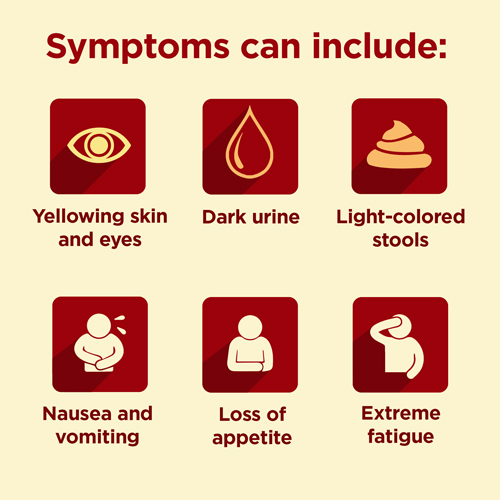
Symptoms can include:
- yellowing skin and eyes (jaundice)
- dark urine
- light-colored stools
- nausea, vomiting, abdominal pain, and discomfort
- loss of appetite
- extreme fatigue
KEY FACTS IN VIETNAM
- 1 in 10 Vietnamese adults has Hepatitis B.
- 1 million of those infected die each year.
- In developing countries 90% of children have been infected with Hepatitis A by age 10.
- 1 in 2 male drug users has Hepatitis C.