CHRONIC ABDOMINAL PAIN IN CHILDREN: WHEN TO SEE A SPECIALIST
5/16/2025 8:44:51 AM
CHRONIC ABDOMINAL PAIN IN CHILDREN: WHEN TO SEE A SPECIALIST
Abdominal pain is one of the most common complaints among children and often causes concern for parents, especially when it becomes chronic or recurrent. While most cases are not caused by serious medical conditions, it is important for parents to recognize the alarm symptoms that help distinguish functional abdominal pain from conditions requiring further evaluation by a pediatric gastroenterologist.
1. What is Chronic Abdominal Pain?
According to the North American Society for Pediatric Gastroenterology, Hepatology and Nutrition (NASPGHAN) and the European Society for Paediatric Gastroenterology, Hepatology and Nutrition (ESPGHAN), chronic abdominal pain is defined as abdominal pain that occurs at least four times a month and persists for at least two consecutive months.
This condition is relatively common, affecting around 10–19% of children, particularly those aged 4 to 6 years and in early adolescence. A large population-based study also found that approximately 17% of middle and high school students reported experiencing weekly abdominal pain, with about 21% of them reporting interference with daily activities.
2. Common Causes of Chronic Abdominal Pain
Most cases of chronic abdominal pain in children are not due to structural or biochemical abnormalities. Instead, they are classified as Functional Abdominal Pain Disorders (FAPDs), a subset of Disorders of Gut-Brain Interaction (DGBIs).
These include conditions such as irritable bowel syndrome (IBS), functional dyspepsia, abdominal migraine, and non-specific functional abdominal pain. They are not associated with inflammation, infection, or structural defects in the gastrointestinal tract.
Common features of FAPDs include:
- Vague, non-localized pain, usually around the umbilicus
- Episodes often occur in the morning or late in the day, resolving on their own
- Pain may be triggered or worsened during times of emotional stress, such as school changes or family difficulties
- May include autonomic symptoms like nausea, dizziness, headache, or fatigue
- The child is otherwise well between episodes, with normal appetite and activity
- No alarm symptoms such as weight loss, fever, or bile-stained vomiting
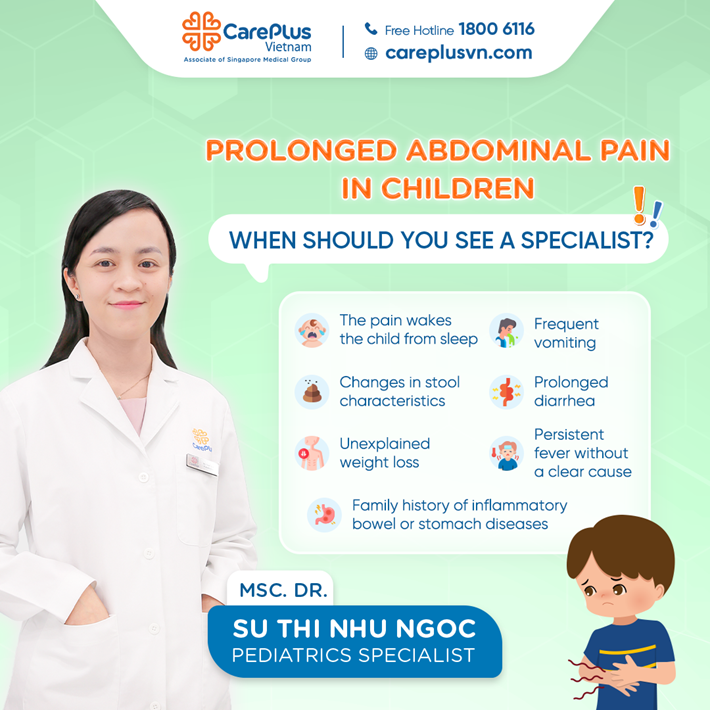
3. When to Seek Specialist Evaluation
Referral to a pediatric gastroenterologist is recommended if the child experiences any of the following alarm symptoms:
- Pain that wakes the child from sleep
- Frequent vomiting, especially green or yellow (bile-stained)
- Difficulty or pain when swallowing
- Chronic or nighttime diarrhea, black (melena) or bloody stools
- Palpable abdominal mass
- Unintended weight loss or poor growth
- Unexplained prolonged fever
- Painful urination, blood in urine, or back/flank pain
- Family history of inflammatory bowel disease, celiac disease, or peptic ulcer disease
- Extraintestinal symptoms such as recurrent rashes, eczema, hives, pallor, or fatigue
4. How Parents Can Support Their Child
If your child has been diagnosed with a functional abdominal pain disorder, the following steps can be helpful:
- Reassure your child and maintain a calm, supportive approach. Avoid drawing too much attention to the pain.
- Encourage continued participation in regular daily activities, including school and play.
- Avoid asking frequently about the pain; instead, focus on positive experiences and daily routines.
- If needed, keep a simple symptom diary noting timing, intensity, and triggers.
- Address emotional stressors and consider seeking psychological support if anxiety or stress is present.
- Do not give medications like pain relievers or digestive aids without medical supervision.
- Seek reevaluation if any new alarm symptoms appear.
Conclusion
Chronic abdominal pain is common in childhood and is most often functional. However, recognizing when to seek specialist care based on alarm symptoms ensures timely diagnosis and appropriate management for children who may need it.