Hives and Angioedema: A Comprehensive Overview
Hives and angioedema are common skin reactions that can cause discomfort and concern for patients. This article provides a detailed look at these conditions, covering causes, symptoms, diagnosis, treatment, and prevention strategies.
12/9/2024 8:58:43 AM
1. What Are Hives and Angioedema?
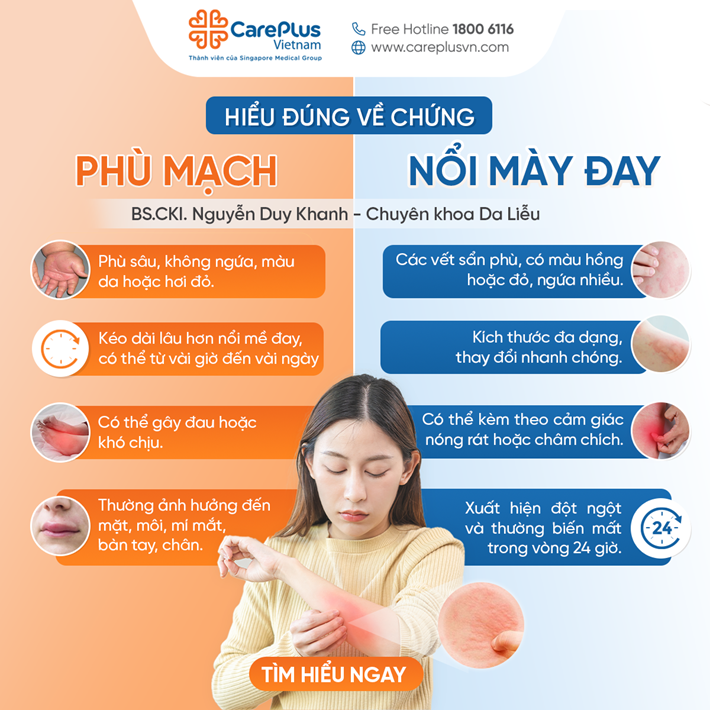
Hives (Urticaria): Raised, itchy welts that vary in size from small pea-like spots to larger patches as big as a hand. These welts can appear anywhere on the body and usually fade within 24 hours, though new ones may continue to form.
Angioedema: Deeper swelling in the lower layers of the skin, typically affecting the face (lips, eyelids), hands, feet, and genital areas. It may occur with or without hives.
2. Types of Hives and Angioedema
-
Acute: Lasting less than six weeks, often triggered by foods, medications, insect bites, or infections.
-
Chronic: Persisting for more than six weeks, frequently linked to autoimmune conditions or unknown causes.
3. Symptoms
Hives:
-
Itchy, pink or red welts of varying sizes.
-
Quick changes in shape and location.
-
Can cause burning or stinging sensations.
Angioedema:
-
Deeper, often non-itchy swelling, sometimes reddish.
-
Commonly affects the face, lips, eyelids, hands, and feet.
-
Swelling may last several hours to a few days.
4. Causes
-
Many cases have no clear cause, but common triggers include:
-
Foods: Shellfish, peanuts, dairy, eggs, wheat, etc.
-
Medications: Antibiotics (e.g., penicillin), aspirin, ibuprofen.
-
Insect stings: Bees, ants, mosquitoes.
-
Infections: Throat infections, urinary tract infections.
-
Allergens: Pollen, dust, pet dander.
-
Other factors: Stress, temperature changes, sun exposure, friction.
-
Hereditary angioedema: Linked to C1 inhibitor protein deficiency or dysfunction.
5. Diagnosis
Diagnosis is based on:
-
Clinical examination: Observing symptoms and patterns.
-
Medical history: Identifying triggers, allergic tendencies, and medications.
-
Tests: Blood tests and skin allergy tests in certain cases.
6. Treatment
-
Treatment focuses on symptom relief, preventing recurrences, and improving quality of life:
-
Avoid known triggers.
-
Medications such as antihistamines, corticosteroids, immunosuppressants, or epinephrine for severe reactions.
7. Complications
-
Severe angioedema can lead to serious complications if untreated:
-
Breathing difficulties: Swelling in the tongue or throat may obstruct airways.
-
Anaphylaxis: A severe allergic reaction that can cause low blood pressure, loss of consciousness, and even death.
8. Prevention
-
Identify and avoid triggers.
-
Maintain good skin care and hygiene.
-
Manage stress through relaxation techniques like yoga or meditation.
-
Follow a healthy diet rich in fruits and vegetables.
9. When to See a Doctor
Seek immediate medical attention if symptoms are severe, interfere with daily life, or suggest anaphylaxis (e.g., difficulty breathing, low blood pressure).
Conclusion
Hives and angioedema are common but typically mild conditions. By understanding their symptoms, causes, and management, individuals can minimize discomfort and maintain a high quality of life.